Impact of Middle Eastern Narrative Discourse on Kashmir’s Security Dynamics
 usanasfoundation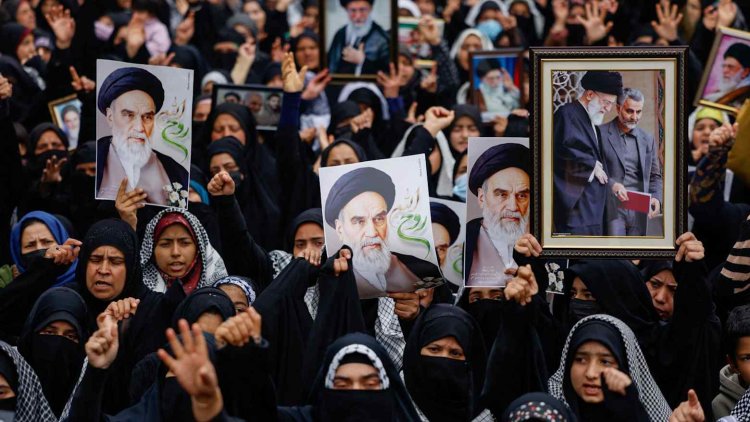
Research Paper
By Umer Iqbal
This research argues that perceptions largely shape Kashmir’s current security situation.1 It is important to acknowledge what this research cannot claim. This study documents the correlation between external events and discourse shift. It cannot establish causation or quantify how much each factor contributed. The findings reflect observed discourse patterns in sampled groups. They do not represent population-level beliefs across Kashmir. The paper identifies trajectory patterns based on precedent. It does not forecast future outcomes. Interview and focus group participants were purposively selected for their discourse engagement. They were not randomly sampled. The paper tracks narrative presence. It does not measure whether narratives actually lead to behavioral radicalization. Finally, the research cannot demonstrate what would have happened without the Gaza trigger. No counterfactual testing was performed. Theological engagement is proposed not to stigmatize religious identity, but to prevent doctrinal capture by transnational militant interpretations. Due to active conflict sensitivities and source protection obligations, raw transcripts and identifiable data are not disclosed. Findings are presented as pattern-level assessments rather than evidentiary exhibits. This analysis does not endorse or legitimize violence or separatism. Narratives are examined only as analytical variables relevant to conflict management and security policy. This research focuses on one central policy question: How can perception management be integrated into internal security strategy before narrative patterns become structurally irreversible?
Between October 2023 and November 2025, Kashmir’s security environment saw an important shift. This shift was driven less by a major change on the ground and more by a change in how sections of the public understood their political situation in relation to events outside the region. In particular, perceptions changed after the October 7, 2023, Gaza escalation, when narratives from Middle Eastern conflicts were increasingly imported into Kashmiri discourse and often interpreted in ways that reshaped local political meaning.
To access the complete paper, download the file.
Disclaimer: This paper is the author's individual scholastic contribution and does not necessarily reflect the organization's viewpoint.