Is Kashmir’s Normalcy Superficial, Hiding underneath Disturbing Trends?
 usanasfoundation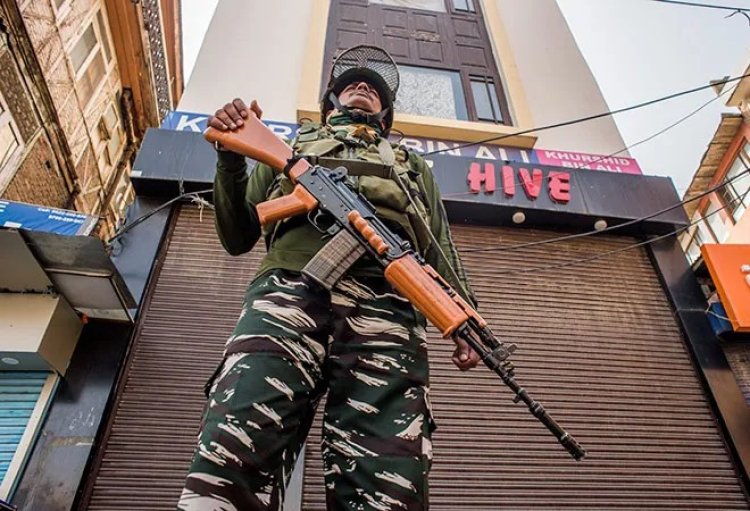
Analysis
By Dr Abhinav Pandya
The dominant narrative on Jammu and Kashmir in the mainstream media, social media circles, strategic community, political quarters and intelligence headquarters in Delhi revolves around the normalisation of life, erosion of Pakistan-backed separatist and terrorist ecosystem, youth sentiments and thoughts shifting towards economic prosperity and national integration and a general feel-good factor pervading all walks of life, which is quite evident in budding cinema halls, malls, restaurants and literature festivals. However, the general impression of the ‘feel-good’ has sent our policy wonks into a kind of slumber. Complacency has set in, creating a comfort zone where any negative news from Kashmir is generally not entertained. However, the question arises whether this normalcy is merely superficial, masking a deep-rooted, simmering discontent in society, likely to flare into a massive outburst.
Modi’s Kashmir move has undoubtedly unleashed positive forces in Kashmir, making a dent in the three-decade-old separatist narrative and the ecosystem. However, it is naïve to expect a cataclysmic change in the Kashmir Valley. Reversing a malaise that has corrupted society over the last seven decades cannot be expected to vanish in a few years. This author’s recent field research trip to Kashmir in May 2026 reveals disturbing trends in grassroots sentiment.
Youths’ Ideological Dilemmas
Amongst the youth, despite all the appearances of pro-India sentiments and participation in the state-initiated or backed social, cultural, political and academic activities, there is a deep-rooted sense of disgruntlement, frustration, and angst at the loss of their special status. What aggravates this sense of frustration is alarming levels of bureaucratic corruption, arrogance and elitism. The youths in universities and colleges regularly engage with the Kashmiri diaspora in the West and actively engage in anti-India propaganda campaigns. In such campaigns, they merge Islamist narratives with secular intellectual discourses revolving around the issues of democracy, Hindutva fascism, human rights, settler colonialism and right to self-determination. Exposed to emerging trends in global geopolitics, developments in West Asia and India’s growing ties with Israel, the youths align with global Islamic issues in the ideological and propaganda domains. The tendency is to equate Kashmir with Palestine. America’s capitulation to Iran, forced by the latter’s closure of Hormuz, Turkey’s growing Islamist footprint and fake narratives of Pakistan shooting down Indian jets during Operation Sindoor, mentally and morally emboldens the generation nurtured on three decades of anti-India separatism and militancy. Though recruitment levels have drastically come down due to Pakistan’s changed strategy and India’s harsh crackdown, leading to fatigue, the anti-India sentiment continues. Many college students informed that they prefer being a ‘hybrid militant’ because they do not want to die in encounters with SFs. Also, the younger generation prefers engaging in intellectual and ideological debates and enjoying their college life while participating in anti-India activism.
Additionally, Islamist radicalisation continues unabated, with some reports suggesting the growing penetration of the Muslim Brotherhood; however, it is difficult to verify such claims. Nevertheless, Muslims Brotherhood’s growing footprint in ideological and operational domains cannot be ruled out. Instead, it merits serious attention and investigation by the Indian agencies. This also needs to be seen in the context of widening Hamas footprints in Kashmir militancy. Usanas Foundation, an India-based think tank, in its reports has highlighted growing links between Hamas and South Asian terrorist groups, giving details about the growing visits of Hamas leaders to Pakistan and PoK, though the Indian agencies have been reluctant to accept this. However, these findings stand attested now as the NIA has begun investigating Hamas's footprint in the Pahalgam attack and the Israeli envoy, in his June 2026 interview with NDTV, has confirmed the presence of Hamas operatives in Pakistan and Bangladesh.
Jamaat’s Survival Tactics
As regards Jamaat-e-Islami, it remains banned; however, it is making a comeback. More recently, former Jamaat members participated in elections, which is seen by Kashmir watchers as a repetition of the past blunders of giving socio-political space to Jamaat at the behest of the Indian agencies. Many veteran journalists suggested to this author that the Indian agencies are reviving a dead snake, which will prove more venomous and spiteful. At the same time, Jamaat is in a survival mode. It is utilising this hibernation phase to discreetly expand, strengthen, and consolidate its presence on the ground. An official government ban helps Jamaat gain public sympathy and grow and consolidate organically. Indian agencies are under the false impression that Jamaat has undergone a change of heart. It is just keeping a pretence. Islamist Jamaat has faced bans in the past, also, and it knows how to navigate them. This author’s interlocutors informed that, in May 2026, during the funeral procession of its former chief in Kulgam, harsh anti-India and pro-separatist slogans were raised by huge crowds mobilised by the Jamaat cadres. Also, during this lean phase, Jamaat is maintaining profiles of emerging pro-India individuals and organisations.
Blurring lines between the Separatist and the Mainstream
In the separatist space, the Hurriyat is nearly dead, and the ecosystem is facing an existential crisis. However, the mainstream PDP is trying to emerge as a new Hurriyat, merging separatist politics with mainstream politics. Reportedly, in its recent meetings, former Jamaat members, state service officers terminated on the charges of sedition, former militants, OGWS, and the members of Jamiyat Tulba, Jamaat’s student wing, and the banned and terror-linked seminaries like Siraj-ul-Uloom participated. The ISI strategists of the Kashmir desk have instructed the old OGWs and separatists to join the mainstream political parties to elude the state action against them, penetrate the mainstream and continue the sabotage from within. This author came across several locals joining the BJP and proxy organisations of right-wing Hindu nationalist groups, which is being perceived in the centre as a sign of a shift in sentiment. However, the government and the Hindu right-wing groups need to be cautious. Terror operatives and OGWs can enter mainstream local political groups and Hindu nationalist right-wing groups, feign loyalty and use these platforms to enter into the Indian hinterland, build networks and carry out anti-India sabotage.
Reaction to Iran War
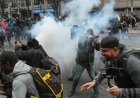
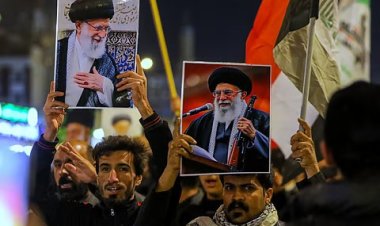
Another disturbing development is the response of people to Iran’s Supreme Leader Khamenei’s death in the US air strike. The news of his death went viral, leading to massive protests and demonstrations across the Kashmir Valley and Kargil. Though they were largely peaceful, as per media reports, this author’s interlocutors informed that the Valley witnessed violent protests and stone-pelting, reminiscent of the pre-abrogation days. Reportedly, the police were taken aback in many places. Further, according to many Shia leaders, Khamanei’s death has given the community a new Imam Hussain-like figure who will continue to inspire the Shia youth for centuries. Further, in the Iran, Israel, and the US war, the locals perceive India as on the Israeli side. Modi’s visit before the war began also fueled such sentiments and many conspiracy theories. Besides, the widespread support of Iran and resentment over Khamenei’s death was not confined to Shias only. The majority of Sunnis supported the Shia protests, and the Sunni-dominant separatist ecosystem found this opportunity to rally the hitherto neutral Sunnis around their cause.
Finally, on the other side of the LoC and IB, Pakistan has made massive deployments of regular army formations and Mujahedin units. Reportedly, the other side is working to fill all the security and logistical gaps and lapses encountered during Operation Sindoor. Notably, they expect a future escalation to be much larger in scale and intensity.
At this juncture, Indian agencies cannot afford to be complacent with superficial changes in Jammu and Kashmir. The region needs to be seen through the war prism as it will be one of the most crucial battlegrounds in the future war between India and Pakistan. Hence, domestic security, social and political trends, and murmurs need to be carefully monitored and factored into long-term policymaking.
Disclaimer: This paper is the author's individual scholastic contribution and does not necessarily reflect the organization's viewpoint.